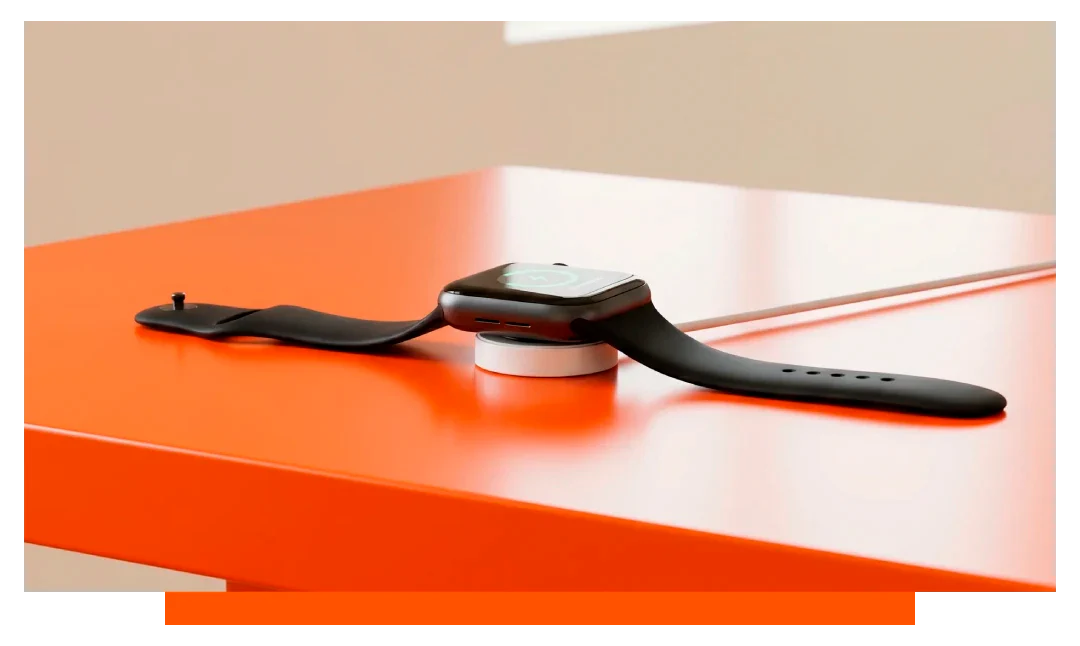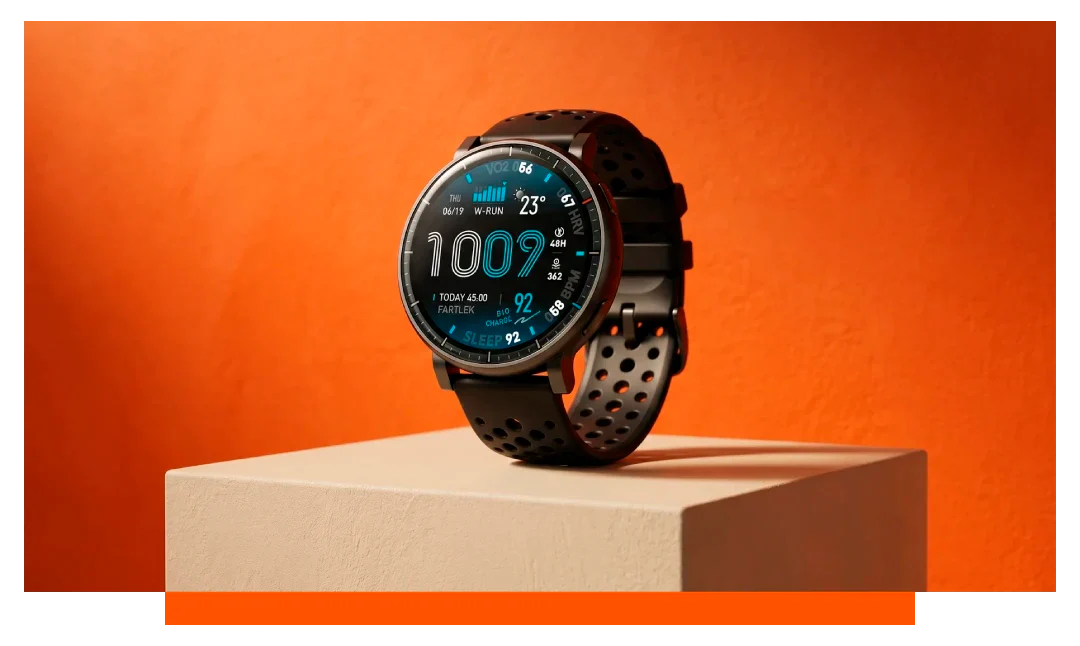



Open your watch’s Maps app, choose a destination on the watch or phone, start guidance, then follow on-screen arrows, haptic taps, and optional voice prompts. Enable GPS and location permissions, download offline maps when possible, and select the right activity profile like walking, cycling, or driving for the clearest turn-by-turn cues.
Quick start on popular watches
Apple Watch 11 with Apple Maps
Open Maps on Apple Watch 11, press the search field, dictate or scribble an address, then tap Go. If you start directions on iPhone, they hand off to the watch automatically. Haptics provide distinct patterns for left and right turns so you can keep eyes up.
Samsung Galaxy Watch 8 with Google Maps
Open Google Maps on the Galaxy Watch 8, pick Home, Work, or a recent place, then Start. You can mirror routes begun on your phone or ask Google Assistant for a destination. The watch vibrates and shows lane-level arrows on supported roads.
Garmin Epix Pro for trails and roads
On Garmin Epix Pro, hold the top right button, choose Navigate, then Courses, Activities, or POIs. Select a routable course for turn-by-turn, or use breadcrumb navigation on unmarked terrain. TracBack can reverse your path if you wander off route.
Can smartwatches give turn-by-turn directions?
Yes, turn-by-turn is now standard on leading models. Apple Watch 11 provides stepwise prompts via Apple Maps for walking, cycling, and driving, including lane guidance in many cities. Samsung Galaxy Watch 8 delivers Google Maps cues with icons, vibration, and optional audio through Bluetooth earbuds.
Garmin devices with routable maps provide full on-wrist instructions and off-course alerts. On watches without routable maps, breadcrumb mode still gives directional arrows and distance to next point. In cities, transit directions with timed transfers are available on Apple and Wear OS in supported regions.
How accurate is smartwatch navigation?
Open-sky GPS accuracy typically lands within 3 to 5 meters. In urban canyons, reflections can widen errors to 5 to 15 meters, especially near tall glass buildings. Dual-frequency and multi-constellation receivers reduce multipath and lock satellites faster, improving reliability.
Apple Watch 11 and Galaxy Watch 8 leverage multi-constellation GNSS for quicker fixes. Garmin performance watches often include multi-band modes for tougher terrain and valleys. Accuracy also depends on antenna design, watch orientation, and your movement speed.
Essential setup before you go
Update firmware and apps
Install the latest watchOS, Wear OS, or Garmin firmware to improve GPS, compass, and Maps stability. Update Apple Maps, Google Maps, or Garmin Map Manager data as prompted. Recalibrate the compass by tracing a figure eight if bearings feel off.
Permissions and sensors
Confirm Location and Motion permissions are enabled on both phone and watch. Toggle Precise Location for better guidance in dense areas. Turn on Always On Display if you want constant arrows, understanding it increases battery use.
Offline maps and connectivity
Offline downloads for patchy signal
Download offline areas so navigation continues when LTE or phone data drops. On Garmin, store full-color topo or road maps directly on the watch if supported. On Apple and Wear OS, offline maps on the phone still power watch guidance during no-signal stretches.
LTE and emergency fallback
Cellular models can fetch reroutes without the phone. If you detour, LTE helps recalculate faster than waiting for intermittent Wi-Fi. Always cache your route beforehand to avoid dead zones.
Battery life tweaks for longer trips
Quick power savers
- Lower screen brightness
- Shorter screen timeout
- Disable always on
- Limit background apps
- Use low power GPS
- Mute extra notifications
On Garmin, switch to GPS-only or AutoSelect for efficiency. On Apple Watch 11 and Galaxy Watch 8, reduce refresh rates by dimming and limiting animations. Expect roughly 5 to 12 hours of continuous GPS on mainstream smartwatches, and far longer on endurance Garmins.
Use cases and pro tips
Walking and urban transit
Choose the walking profile so the watch prioritizes sidewalks, crossings, and shorter routes through parks. Transit modes show platform numbers, departure minutes, and transfer alerts in supported cities. Haptics keep you aware even when the phone is stowed.
Cycling and outdoor pursuits
Switch to cycling for bike-friendly roads and trail segments when available. On Garmin, ClimbPro previews gradient and distance to the top on hilly rides. Apple and Samsung offer Backtrack-like features to retrace steps when exploring unfamiliar areas.
Comparing navigation capabilities
| Watch | Maps source | Turn-by-turn | Offline options | GNSS support | Typical GPS battery |
|---|---|---|---|---|---|
| Apple Watch 11 | Apple Maps | Walking, cycling, driving | Phone-based offline areas | Multi-constellation | 6 to 10 hours |
| Galaxy Watch 8 | Google Maps | Walking, cycling, driving | Phone-based offline areas | Multi-constellation | 6 to 10 hours |
| Garmin Epix Pro | Garmin routable maps | Roads and trails | On-device maps | Multi-band options | 20 to 40 hours |
Safety, haptics, and accessibility
Eyes-up navigation
Rely on taps and tones to minimize screen time in traffic. Distinct patterns signal left versus right turns so you do not need to stare. Voice cues through earbuds can read upcoming steps without glancing down.
Emergency features
Enable fall detection, SOS, and location sharing before long outings. Share live location with trusted contacts for peace of mind. On Garmin, use Incident Detection during rides or runs to alert contacts automatically.
Troubleshooting poor guidance
Fast fixes to regain accuracy
- Recenter the map
- Toggle Airplane mode
- Restart the watch
- Step into open sky
- Recalibrate compass
- Clear app cache
If the arrow drifts sideways, hold your wrist flat for a few seconds to stabilize sensors. Thick canopies, tunnels, and reflective buildings degrade signals, so slow down near complex intersections. If rerouting lags, pause guidance and restart the route for a clean recalculation.
Accessories that improve navigation comfort
Secure fit and visibility
A breathable strap keeps the sensor plate in steady contact for better tracking and fewer repositions. Consider bright, reflective bands for evening walks to stay visible. Rugged bumpers help protect edges if you brush walls or handlebars.
For quick upgrades, swap bands via Apple Watch straps , Galaxy Watch 8 straps and Garmin straps and add screen guards through Apple accessories to keep navigation readable in all weather.
Advanced features worth trying
Waypoints, POIs, and backtrack
Drop waypoints for parking spots, trailheads, or water stops so you can navigate back quickly. Garmin’s TracBack and Apple’s Backtrack record a breadcrumb line you can follow in reverse. Save favorite POIs to speed up future trips without typing.
Multi-stop routes and handoff
Create multi-stop itineraries on the phone, then hand them off to the watch for stepwise execution. If you change plans mid-route, adding or removing a stop automatically recalculates. Your watch stays aligned with the phone’s master plan.
Frequently asked questions
Do I need my phone for navigation?
LTE models can fetch routes and reroute independently, but phone pairing still helps with searches and offline areas. Non-LTE watches mirror the phone’s route and use its data. Garmin with on-device maps can navigate phone-free after sync.
Can I use navigation during workouts?
Yes, start a workout and then start navigation, or vice versa, depending on your watch. You will see pace, distance, and directions together on split screens or data fields. Battery drains faster, so apply power-saving tweaks.
Will navigation work without internet?
Yes if your maps or course are stored offline. Turn-by-turn still functions for preloaded routes. Traffic-aware ETA and transit updates require connectivity.
How do I follow GPX or routes?
Import GPX or FIT files into the watch app, then sync to your device. On Garmin, Courses appear under Navigate after import. On Apple and Samsung, third-party apps can render GPX with step prompts.
Why does the arrow point the wrong way?
The compass may be uncalibrated or magnetically disturbed. Recalibrate, remove magnetic cases, and hold the watch level while standing still. Then resume walking so GPS and inertial sensors agree.
Conclusion
Use your smartwatch’s Maps or navigation app, pick or import a destination, and follow haptics, arrows, and voice cues while keeping maps available offline. Apple Watch 11, Galaxy Watch 8, and Garmin Epix Pro all deliver reliable turn-by-turn when properly set up. Calibrate, cache maps, and tune battery settings to navigate confidently anywhere.