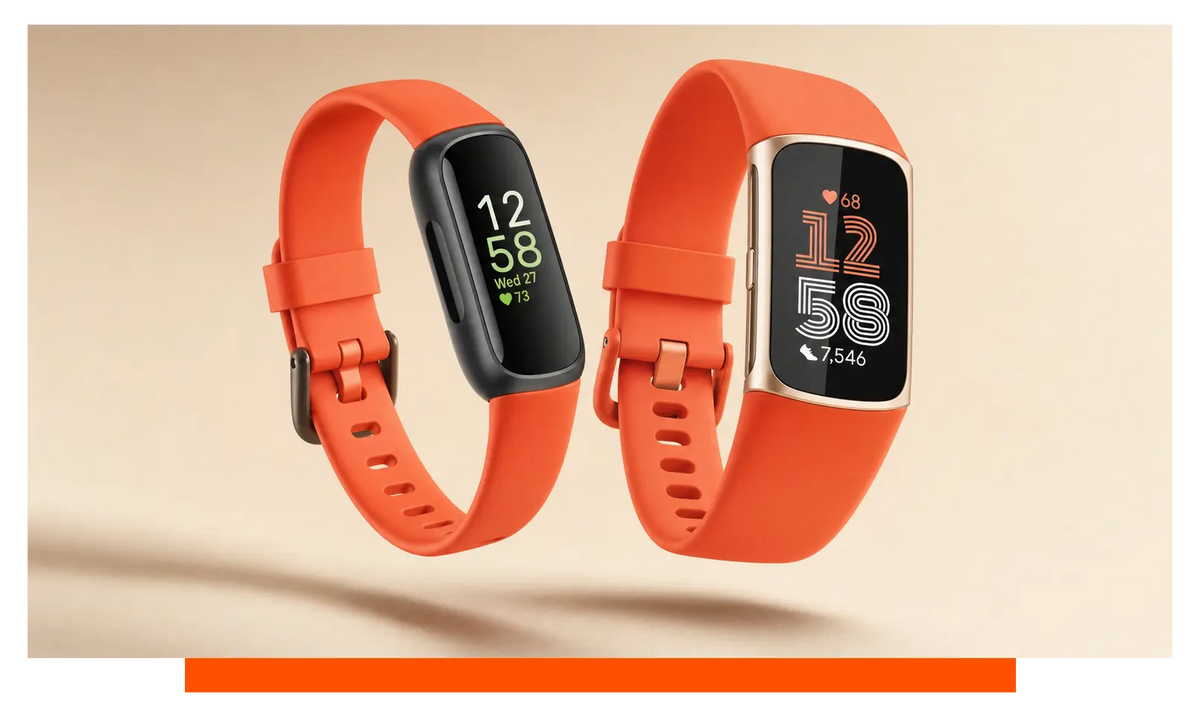


Garmin Cirqa is the best screenless smartwatch for most active people: it gives serious health and training context without putting another distracting display on your wrist. Choose Fitbit Air instead if you have a particularly small wrist and the lightest all-night fit matters more than deeper sports tools. Continuous comfort is the deciding factor.
On this page
- Screenless smartwatches at a glance
- What makes a good screenless smartwatch?
- Best for training and recovery - Amazfit Helio Strap
- Best for sleep and recovery - Polar Loop
- Best for low-profile tracking - Fitbit Air
- Best for Garmin users - Garmin Cirqa
- Best for hardcore athletes - WHOOP 5.0
- How do you choose the right screenless smartwatch?
- Frequently asked questions
Screenless smartwatches at a glance
Garmin Cirqa is the strongest all-round choice, but Fitbit Air has the clearest comfort advantage when every gram matters on a small wrist.
| Tracker | Best for | Deciding spec | Sensor size and weight | Battery life | Membership and paywalls | Workout controls and feedback |
|---|---|---|---|---|---|---|
| Amazfit Helio Strap | Training and recovery | Up to 10 days | 33.97 × 24.3 × 10.59 mm; 20 g | Up to 10 days | No required subscription | Zepp app |
| Polar Loop | Sleep and recovery | No subscriptions | 42 × 27 × 9 mm; 29 g | Up to 8 days | No locked features | Polar Flow app |
| Fitbit Air | Low-profile tracking | 5.2 g | 5.2 g | Up to a week | Google Health Premium | Google Health app |
| Garmin Cirqa | Garmin users | 80+ activities | 14.8 g | Up to 10 days | Garmin Connect+ | Side button; haptic feedback |
| WHOOP 5.0 | Hardcore athletes | 14+ days | 34.7 × 24 × 10.6 mm; 26.5 g | 14+ days | Membership required | WHOOP app |
The thesis: the best tracker is the one that remains comfortable through sleep, sweaty training and an ordinary working day, because gaps in wear create gaps in its health and recovery picture.
What makes a good screenless smartwatch?
A good screenless smartwatch is unobtrusive enough for continuous wear, lasts several days between charges and gives you useful feedback without making its app or membership a daily frustration.
Comfort, weight and sensor footprint
Weight matters most when you sleep in the tracker. A lighter sensor is less likely to feel conspicuous when your wrist is pressed against a mattress, while a shallow case is less prone to catching on a cuff. The strap still does much of the work: soft contact, close adjustment and enough stability to stop the sensor sliding all matter during sweaty exercise.
Sensor dimensions tell only part of the story. Wrist shape, strap tension and placement change how a tracker feels, so a slightly heavier unit can still work if the band distributes pressure evenly. Alternative arm placement is useful when wrist comfort is the sticking point rather than the tracker itself.
Battery life between real-world charges
Battery life should cover your normal training rhythm without forcing you to choose between charging and collecting sleep data. Long endurance is particularly valuable on a screenless tracker because trends in resting heart rate, sleep and recovery depend on regular wear rather than occasional workout recording.
Think about when you would actually charge it. A tracker that can be topped up during a shower or desk session may fit your routine better than one with a longer headline figure but an inconvenient charging arrangement.
Membership and access to your data
The device price is not always the whole cost. Some trackers provide their main features without a required subscription, while others are built around a membership or place extra services behind a premium tier. That distinction matters if you want recovery guidance for years rather than for one training block.
It is not automatically wrong to pay. A subscription can make sense when you value ongoing interpretation and coaching, but a tracker with no locked features is easier to budget for and less likely to lose its appeal when your priorities change.
Workout control and feedback without a screen
A screenless tracker can record workouts, but it cannot show a conventional live data page on your wrist. Pace, routes and workout details are therefore handled through its companion app or another paired device. That is fine for passive recording and post-workout analysis; it is a poor fit if you regularly adjust effort by watching live pace or navigation.
Polar Loop and Garmin Cirqa use a phone's GPS for outdoor route, pace and distance tracking. Amazfit Helio Strap can broadcast live heart rate to a compatible device or app, which is more useful when you already train with a bike computer, gym machine or sports watch.
Best for training and recovery - Amazfit Helio Strap
Amazfit Helio Strap is the practical choice for active people who want recovery tracking, long battery life and live heart-rate broadcast without a required subscription.
Its fibre-reinforced polymer body weighs 20 g and measures 33.97 × 24.3 × 10.59 mm. That is not the lightest sensor here, but it remains compact enough for round-the-clock use if the strap is adjusted securely rather than overtightened.
- Battery: up to 10 days
- Training feedback: Zepp app
- Health coverage: continuous heart rate, sleep and recovery tracking
- Water resistance: 5 ATM
- Ongoing cost: no required subscription
The ability to broadcast heart rate gives it an edge for structured sessions. You can keep the distraction-free band on your arm while viewing live effort on compatible equipment or another device. It also supports upper-arm wear, giving you another placement if wrist movement or a watch already occupies your preferred side.
Amazfit Helio Strap was listed at £99 at the time of writing. If the supplied band does not settle comfortably during sleep or exercise, compare Amazfit Helio Strap straps rather than abandoning an otherwise suitable sensor.
Best for sleep and recovery - Polar Loop
Polar Loop is the best fit for readers who want established sleep and recovery analysis without subscriptions or locked features.
The stainless-steel tracker measures 42 × 27 × 9 mm and weighs 29 g. It is the heaviest option in this comparison, so very small or pressure-sensitive wrists should treat fit as the deciding test rather than assuming its subscription-free approach automatically makes it the right choice.
- Battery: up to 8 days
- Workout feedback: Polar Flow app
- Automatic workout detection: yes
- Continuous heart rate: yes
- Ongoing cost: no subscriptions or locked features
Polar's appeal is straightforward. You get sleep, recovery and workout records without needing to keep paying to preserve feature access. The trade-off is that workout information lives in Polar Flow rather than on your wrist, and outdoor route, pace and distance tracking uses your phone's GPS.
Polar Loop was listed at £149.50 at the time of writing. Comfort will depend heavily on adjustment because a loose tracker can shift during sleep while an overtight one makes its weight more noticeable; alternative Polar Loop straps can help you tune that fit.
Best for low-profile tracking - Fitbit Air
Fitbit Air is the best screenless tracker for a particularly small wrist or anyone who values barely noticeable overnight wear above a deeper sports platform.
Its listed weight is just 5.2 g. That is its decisive advantage: less mass pulling against the strap can make the tracker easier to forget in bed, beneath a sleeve and during ordinary days. Consistent wear then gives sleep and recovery trends a better chance of reflecting your actual routine.
- Battery: up to a week
- Workout feedback: Google Health app
- Tracking: continuous heart rate, sleep, recovery and automatic workouts
- Extra sensors: blood oxygen and skin temperature
- Premium tier: Google Health Premium
This is the sensible alternative to Garmin Cirqa when physical comfort beats training depth. You still get broad health tracking, but the app-led experience is better suited to people checking trends after the event than athletes wanting richer control during a session.
Fitbit Air was listed at £84.99 at the time of writing. A close, stable adjustment remains important even at this low weight, so Fitbit Air straps are worth comparing if the standard fit leaves the sensor moving or creates a pressure point overnight.
Best for Garmin users - Garmin Cirqa
Garmin Cirqa is the best overall screenless smartwatch for active people who want serious health and training context without wearing another display.
It weighs 14.8 g, uses a fabric construction and covers 80+ activities. That combination gives it the broadest all-round appeal here: light enough to make continuous wear realistic, yet centred on a sports platform that can follow you beyond basic steps, sleep and heart-rate trends.
- Battery: up to 10 days
- Controls: side button and haptic feedback
- Connectivity: Bluetooth and ANT+
- Heart-rate broadcast: yes
- Data platform: Garmin Connect+
The physical controls and vibration feedback provide useful confirmation without turning the band into a small smartwatch. You still will not see live pace, maps or a conventional workout page on the tracker, so athletes who need those cues should pair it with another device or keep their phone available.
Cirqa can also be worn on the arm above the elbow. That is a valuable fit option if you already wear a conventional watch, find wrist flexion uncomfortable during strength work or simply want both wrists clear.
Garmin Cirqa was listed at £179 at the time of writing. Its fabric fit is central to the appeal, and comparing Garmin Cirqa straps can help if you need a different adjustment range or a fresh band after regular sweaty training.
Best for hardcore athletes - WHOOP 5.0
WHOOP 5.0 is the best choice for committed athletes who prioritise long battery life and continuous recovery analysis enough to accept a required membership.
The sensor measures 34.7 × 24 × 10.6 mm and weighs 26.5 g. It is more substantial than Fitbit Air or Garmin Cirqa, making strap tension and placement especially important if you intend to wear it through every sleep and training session.
- Battery: 14+ days
- Workout feedback: WHOOP app
- Automatic workout detection: yes
- Continuous heart rate: yes
- Ongoing cost: membership required
Its longest-listed battery life reduces the chance that charging interrupts recovery records. Placement is flexible too: WHOOP supports bicep wear and validated WHOOP Body positions through Any-Wear Pods in compatible clothing. That can be more comfortable during gripping sports, contact sessions or work where a wrist band gets in the way.
WHOOP 5.0 was listed at £169 at the time of writing. Before committing, decide whether the membership-led analysis is something you will continue using; if it is, experimenting with WHOOP 5.0 straps can make continuous wear easier across training and sleep.
How do you choose the right screenless smartwatch?
Choose around your hardest wear period - usually sleep, sweaty exercise or a long working day - then check that the battery, app and payment model suit the rest of your routine.
- If you want the best balance of comfort and sports depth: choose Garmin Cirqa. Its low weight, broad activity coverage and haptic controls make it the most complete option for most active people.
- If you have a particularly small wrist: choose Fitbit Air. Its very low listed weight is the strongest reason to expect a less intrusive all-night fit.
- If you want training and recovery without a required subscription: choose Amazfit Helio Strap. Heart-rate broadcast also makes sense if another compatible device already shows your live data.
- If sleep and recovery matter more than minimum weight: choose Polar Loop. It avoids subscriptions and locked features, although its heavier stainless-steel unit makes careful adjustment important.
- If you train seriously and accept an ongoing membership: choose WHOOP 5.0. Its battery life and alternative body placements suit athletes who want very consistent records.
If you need live pace, heart rate or navigation directly on your wrist, a screenless tracker is not the complete answer. These devices are strongest when you prefer quiet background collection and are happy to review detail in an app or use another paired device during training.
For most active people, Garmin Cirqa lands in the useful middle: light enough to disappear for long stretches, but deep enough to support training rather than merely count daily activity. Fitbit Air is the better answer when the smallest-feeling all-night fit matters above everything else.
Frequently asked questions
These short answers cover compatibility, dual-watch use, charging and what happens when a membership ends.
Can I wear a screenless tracker alongside a mechanical or conventional watch?
Yes. Fitbit Air and Pixel Watch can be paired with the same Google Health app, while Amazfit Helio Strap is designed to complement a smartwatch; upper-arm or bicep placement can also keep your other wrist free where supported.
Do these trackers work with both iPhone and Android?
Yes. Amazfit Helio Strap, Polar Loop, Fitbit Air, Garmin Cirqa and WHOOP 5.0 support both iPhone and Android, subject to each maker's minimum operating-system requirements.
Can I charge the tracker without taking it off?
WHOOP 5.0 can charge while worn when used with the Wireless PowerPack. Keep the sensor and charger dry before connecting them.
What happens to WHOOP 5.0 when the membership ends?
It keeps collecting data until the final day of the membership term. After that it stops collecting, uploading and analysing new biometric data, although your past data remains viewable.